


Carpets have long been a popular flooring option in homes, offices, and commercial spaces because of their aesthetic appeal and comfort. However, to maintain their beauty, longevity, and hygiene, regular carpet cleaning is essential. This comprehensive guide explores everything you need to know about carpet cleaning and the professional services available today—from the importance of regular maintenance to the various techniques and benefits of hiring a professional service. Whether you’re a homeowner looking to keep your living space pristine or a business owner wanting to provide a clean environment for employees and customers, this guide will give you valuable insights into the world of carpet cleaning.
The Importance of Carpet Cleaning
Enhancing Indoor Air Quality
Carpets are not just a soft surface; they act like sponges, absorbing dust, allergens, bacteria, and other contaminants over time. When these pollutants build up, they can negatively affect the indoor air quality and potentially lead to respiratory issues or allergic reactions. Regular cleaning helps remove these contaminants, ensuring a healthier environment. Studies have shown that clean carpets can significantly reduce the amount of airborne allergens and dust particles, providing relief for allergy sufferers and creating a more pleasant atmosphere in any building.
Prolonging Carpet Life
Investing in a high-quality carpet is a financial decision that adds value to your property. However, without regular maintenance, even the most expensive carpets can begin to show signs of wear and tear much sooner than expected. Dirt, spills, and general foot traffic can degrade the fibers, cause them to mat, or even lead to permanent stains. Proper cleaning extends the life of a carpet by removing abrasive particles and preventing the buildup of harmful substances that weaken the fibers over time.
Aesthetic Appeal and Professionalism
For both homes and businesses, presentation matters. Clean carpets greatly enhance the overall appearance of any space, contributing to a neat, professional, and welcoming environment. In commercial settings, the cleanliness of carpets may influence how clients perceive a business. A sparkling clean floor can speak volumes about the care and attention given to the overall environment, helping to build trust and confidence in the establishment.
Common Carpet Cleaning Techniques
There are various carpet cleaning techniques available, each designed to address specific cleaning challenges and requirements. Understanding these methods can help consumers decide whether to tackle carpet cleaning themselves or hire a professional service. Here are some of the most common techniques:
1. Vacuuming
Vacuuming is the basic, everyday method of carpet care. Regular vacuuming is crucial for removing loose dirt, dust, and debris, which if left untreated, can embed themselves into the carpet fibers. Modern vacuums equipped with HEPA filters can also capture allergens and microscopic particles that older models might miss.
2. Hot Water Extraction (Steam Cleaning)
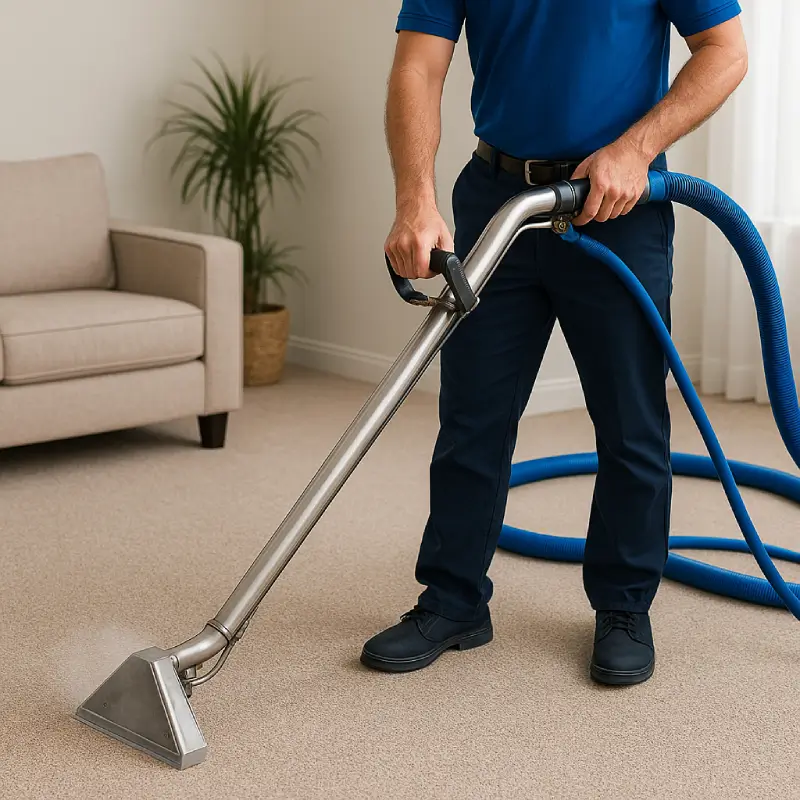
Steam cleaning, or hot water extraction, is often considered the gold standard for deep carpet cleaning. This method uses high-temperature water combined with cleaning agents and powerful suction to penetrate deep into the carpet fibers, dislodging dirt and bacteria. The benefit of hot water extraction is that it not only cleans but also sanitizes the carpet by killing dust mites, bacteria, and germs.
3. Dry Carpet Cleaning
Dry carpet cleaning involves using specialized machines that employ minimal moisture combined with dry cleaning solutions. This method is preferable in situations where carpets need to be dry quickly, such as in busy commercial spaces or areas where moisture might damage the underlying flooring. Dry cleaning can be effective at removing surface-level dirt and is often used as a maintenance routine between deeper cleanings.
4. Bonnet Cleaning
Bonnet cleaning is a method that involves using a rotating pad soaked in a cleaning solution. This pad is attached to a machine that agitates the carpet fibers, thereby drawing dirt and debris to the surface. While bonnet cleaning is effective for removing dirt from the top layer of the carpet, it is not recommended for deeper cleaning, as it merely “pushes” dirt from the carpet’s inner layers to the surface.
5. Shampooing
Carpet shampooing was one of the earlier methods developed for deep cleaning carpets. It involves applying a foamy cleaning solution to the carpet and scrubbing it with a machine designed to agitate the fibers. Although this method can provide thorough cleaning, it also tends to leave behind a residue if not properly rinsed, which can attract more dirt over time.
6. Encapsulation Cleaning
Encapsulation cleaning uses synthetic detergents that crystallize as they dry. The crystals encapsulate dirt and are then easily removed through vacuuming. This method is becoming increasingly popular due to its environmental benefits; it uses less water, reduces drying time, and minimizes the risk of mold growth compared to traditional methods.
The Professional Carpet Cleaning Industry
Evolution and Trends
The carpet cleaning industry has evolved dramatically over the past few decades. In the early days, carpet cleaning was largely seen as a cumbersome task, performed manually with rudimentary equipment. Today, modern technology and eco-friendly cleaning solutions have revolutionized the process. Professional services now incorporate advanced machinery, sustainable cleaning agents, and highly trained technicians to provide exceptional results in a fraction of the time.
One notable trend in the industry is the emphasis on eco-friendly and non-toxic cleaning solutions. As awareness about environmental health grows, many carpet cleaning companies are adopting green practices to reduce their impact on the environment. These include using biodegradable chemicals, reducing water usage, and implementing recycling programs for used cleaning materials. Such innovations not only benefit the environment but also appeal to customers who are conscious of their carbon footprint.
Benefits of Hiring a Professional Service
- Expertise and Experience: Professional carpet cleaners have the training, experience, and the proper tools needed to clean your carpets effectively. They understand the different types of fibers and stains, and they can choose the right method to ensure a deep clean without damaging the carpet.
- Time Efficiency: Carpet cleaning is a time-consuming task that requires a lot of elbow grease. For busy homeowners or businesses, hiring a professional service means that the job gets done quickly and efficiently, allowing you to focus on other important tasks.
- Specialized Equipment: Professional companies invest in state-of-the-art equipment that is not typically available for purchase or rental by the average consumer. These machines are more powerful and effective at extracting deep-seated dirt and allergens from your carpet.
- Guaranteed Results: Many professional cleaning services offer satisfaction guarantees. This means if you’re not happy with the results, they will typically re-clean the carpet at no additional cost. This provides peace of mind and a higher standard of service.
- Improved Health and Safety: As mentioned earlier, carpets can harbor allergens, dust mites, and bacteria. Professional cleaning services don’t just remove visible stains and dirt—they also help to eliminate these hidden health hazards, contributing to a cleaner and healthier indoor environment.
Considerations When Choosing a Service
When selecting a carpet cleaning service, it is important to do your research. Look for companies with positive reviews, proper certifications, and proven experience in the industry. Ask about the cleaning methods they use, any additional services they might offer (such as upholstery cleaning or carpet protection treatments), and their pricing structure. It is also wise to confirm that the professionals are insured and bonded, offering an extra layer of protection in case of accidental damage.
The Science Behind Carpet Cleaning
Understanding the science behind carpet cleaning techniques can help consumers appreciate the process and results they can expect from a professional service.
The Role of Chemistry
At the heart of many carpet cleaning methods is chemistry. Detergents used in cleaning contain surfactants, which are molecules designed to reduce surface tension. This allows water to penetrate deeply into the carpet fibers, loosening dirt, grease, and other contaminants. Some cleaning agents also contain enzymes that break down organic stains such as food, blood, or pet urine, making them easier to remove.
The Impact of Temperature
Temperature plays a critical role in the efficiency of carpet cleaning. Hot water extraction, for instance, uses high temperatures not only to dissolve dirt and grease but also to kill harmful bacteria and dust mites. In this method, the water’s heat enhances the cleaning agents’ ability to break down stains, ensuring that even deep-seated contaminants are removed.
Mechanical Action
Many modern carpet cleaning methods rely on mechanical action. Machines equipped with rotating brushes, spinning pads, or high-powered vacuum technology create agitation, which physically dislodges dirt from the fibers. This combination of chemical and mechanical action is often necessary to achieve a truly deep clean.
Innovations in Carpet Cleaning Technology
The carpet cleaning industry is continually evolving, embracing new technologies to meet changing consumer needs and environmental standards. Here are a few innovations that are shaping the future of carpet cleaning:
1. Green Cleaning Solutions
As environmental concerns rise, many carpet cleaning companies are turning to green methods and eco-friendly products. These products are designed to minimize environmental damage while still providing a robust cleaning performance. With non-toxic ingredients and low levels of volatile organic compounds (VOCs), these green cleaning solutions are safer for families, pets, and the environment.
2. Automated and Robotic Cleaners
In the realm of commercial cleaning, automation is beginning to play a larger role. Robotic carpet cleaners can operate autonomously, cleaning large areas with minimal human intervention. While still in the early stages of market adoption, these automated systems promise to reduce labor costs and improve consistency in cleaning outcomes.
3. Real-Time Monitoring and Smart Devices
Modern carpet cleaning equipment is increasingly incorporating smart technology. Some machines now come equipped with sensors that monitor moisture levels, chemical concentrations, and the overall effectiveness of the cleaning process. This real-time feedback ensures that every cleaning session is optimized for the best possible results.
4. Enhanced Drying Techniques
One of the challenges with traditional deep cleaning methods is the prolonged drying time. Innovations such as high-velocity air movers and advanced moisture detection technology have significantly reduced drying times. Faster drying not only minimizes the inconvenience caused by wet carpets but also helps prevent mold and mildew growth—a common issue in humid environments.
Carpet Protection and Maintenance
While deep cleaning is essential, regular maintenance and protective measures can extend the life of your carpet even further. Here are some strategies that homeowners and businesses often implement:
Regular Vacuuming and Spot Cleaning
Frequent vacuuming is the foundation of carpet maintenance. By removing loose dirt and debris daily or weekly, you significantly reduce the buildup of harmful particles. In addition, promptly addressing spills and stains with appropriate spot cleaning solutions can prevent these issues from becoming permanent.
Professional Maintenance Programs
Many professional carpet cleaning companies offer maintenance programs that are designed to keep your carpet in top condition throughout the year. These programs may include periodic deep cleaning sessions, protective treatments like stain guard applications, and inspections to identify potential issues before they become costly repairs.
Using Carpet Protectors
Carpet protectors and stain guards form an invisible barrier over the fibers, repelling spills and reducing the risk of staining. These treatments are particularly beneficial in high-traffic areas or homes with children and pets. While not a substitute for regular cleaning, protectors can prolong the intervals between deep cleaning sessions.
Education and Best Practices for Consumers
Educating consumers on how to properly care for their carpets is another important aspect of carpet maintenance. Simple actions—such as using doormats to reduce the amount of dirt brought indoors, removing shoes before walking on carpets, and adopting a regular cleaning routine—can make a significant difference in the overall lifespan and appearance of a carpet.
Environmental and Health Considerations
In recent years, environmental sustainability and health concerns have become central to the carpet cleaning industry. Consumers are increasingly aware of the chemicals used in cleaning products and their potential side effects.
Reducing Chemical Exposure
Traditional carpet cleaning methods sometimes involve chemicals that can leave behind residues, contributing to indoor air pollution or allergic reactions. Many modern carpet cleaning services have shifted toward using low-VOC, biodegradable solutions that provide effective cleaning without compromising the health of residents or the environment. This shift is particularly important in households with young children, the elderly, or individuals with respiratory issues.
Preventing Mold and Bacteria Growth
Moisture management is a critical factor in preventing mold and bacterial growth in carpets. Excessive moisture, if not properly extracted, can lead to unsightly mold and even structural damage over time. Professional carpet cleaning services ensure that carpets are thoroughly dried after cleaning, which is vital in humid climates or in commercial settings where traffic is high.
Future Outlook for Carpet Cleaning Services
The carpet cleaning industry is poised for continued growth and innovation. With increasing awareness about indoor air quality and the benefits of professional cleaning, demand for high-quality carpet cleaning services is expected to remain strong. As technology advances, consumers can look forward to more efficient, eco-friendly solutions that promise even better results.
Trends such as automation, smart cleaning systems, and the adoption of green technologies are not just improvements on existing methods—they are shaping a future where carpet cleaning is faster, safer, and more environmentally sustainable. Companies that invest in ongoing staff training and state-of-the-art equipment will likely lead the way, setting new industry standards and delivering exceptional service to both residential and commercial customers.
Conclusion
Maintaining clean carpets is about much more than simply preserving appearances. It has a significant impact on indoor air quality, the longevity of your carpets, and overall health and hygiene. Whether you choose to tackle carpet cleaning as a DIY project or opt for the expertise of a professional service, understanding the different techniques, benefits, and innovations in the industry can help you make informed decisions. In today’s world, where both environmental concerns and quality standards are paramount, professional carpet cleaning services offer a convenient, efficient, and responsible solution to keep your space looking its best.
From the basic act of regular vacuuming to advanced deep cleaning methods like hot water extraction and encapsulation, every step of carpet care plays a vital role in creating a healthier environment. With ongoing advancements in cleaning technology and a growing focus on eco-friendly practices, the carpet cleaning industry is well-equipped to meet the evolving needs of modern consumers. Embracing these practices not only improves the look and feel of your living or working space but also contributes to a safer and more sustainable future.
The next time you look at your carpet, remember it’s more than a decorative element; it’s an integral part of your indoor ecosystem. Regular maintenance and timely professional cleaning can ensure that your carpet remains a source of comfort and beauty, without becoming a hidden reservoir of dust, allergens, and pollutants. In a world where health, sustainability, and efficiency are becoming increasingly important, investing in proper carpet care is not just a matter of aesthetics—it is a step towards a cleaner, healthier living environment.
Whether you’re a homeowner looking to extend the life of your carpet or a commercial property manager needing to maintain a professional appearance, this guide has outlined the key considerations and modern techniques that define the carpet clean